
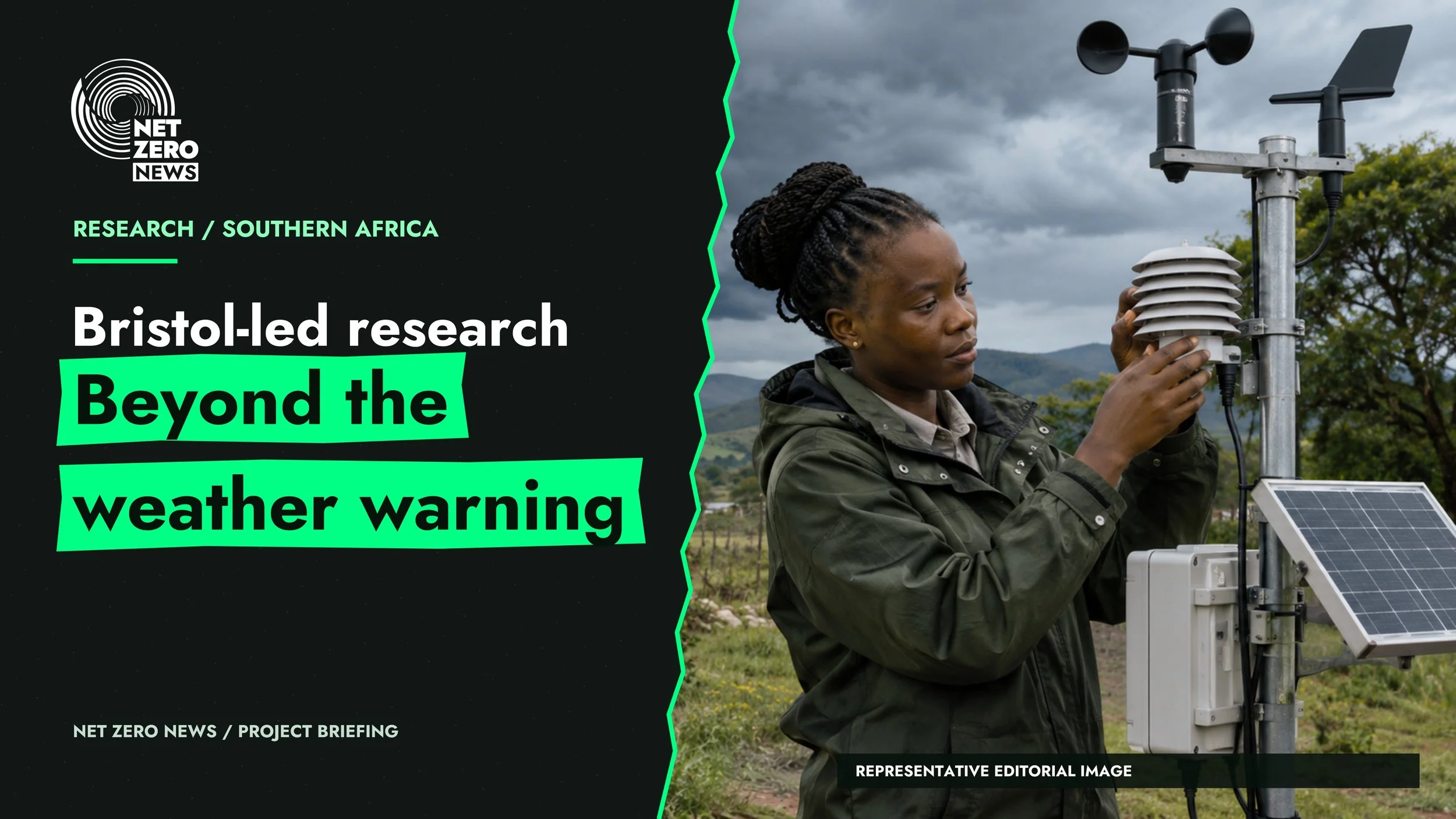
University of Bristol-led research argues that better weather forecasts need to be backed by practical support if communities are to act on warnings. The university announced the study on 2nd November 2026.
Current position
The work examines severe-weather preparedness in southern Africa. Household surveys in Madagascar, Malawi and Mozambique found that most respondents received cyclone warnings, but fewer than half evacuated. Barriers included late information, distrust and limited ability or resources to leave. These findings describe the surveyed settings, rather than UK evacuation behaviour.
Why this matters
The researchers recommend testing warning systems against future extremes, involving communities, combining local and scientific knowledge and improving coordination between agencies. For UK resilience teams, these offer questions to consider when reviewing how an alert leads to accessible support. That application is an editorial inference, rather than a measured UK outcome.
Next steps
The study calls for action beyond issuing forecasts. Emergency plans need to account for what people can realistically do after receiving a warning. It reports adaptation research, with no claim of new UK infrastructure funding or carbon savings.
Primary source: University of Bristol, announcement dated 2nd November 2026.